
Identifying Stonework Problems: 5 Signs Your Stonework Needs Professional Attention

Stonework is one of the most durable and visually striking features of any property, but like any building material, it can deteriorate over time. Across Scotland, properties are constantly exposed to harsh weather conditions, moisture, pollution, and general ageing, all of which can gradually affect the condition of stone walls, facades, and structural features.
The challenge for many property owners is knowing when natural ageing becomes a serious issue that requires professional attention. Small signs of damage can quickly develop into larger structural problems if ignored, leading to more costly repairs and long-term deterioration.
In this guide, we explore identifying stonework problems and the five key signs your stonework may need professional repair or restoration, helping homeowners and developers identify issues early and protect the long-term condition of their property.
Why Identifying Stonework Problems Early Matters
Stonework issues rarely improve on their own. What may start as minor erosion or cracked mortar can eventually lead to water ingress, structural instability, and expensive restoration work.
Professional assessment and early intervention help:
Prevent further deterioration
Protect the structural integrity of the property
Maintain the appearance and value of the building
Reduce long-term repair costs
Whether your property is a traditional sandstone home, a listed building, or a modern stone-clad development, regular inspection is essential.
Recognising the warning signs early can make a significant difference in both the condition and lifespan of your stonework.
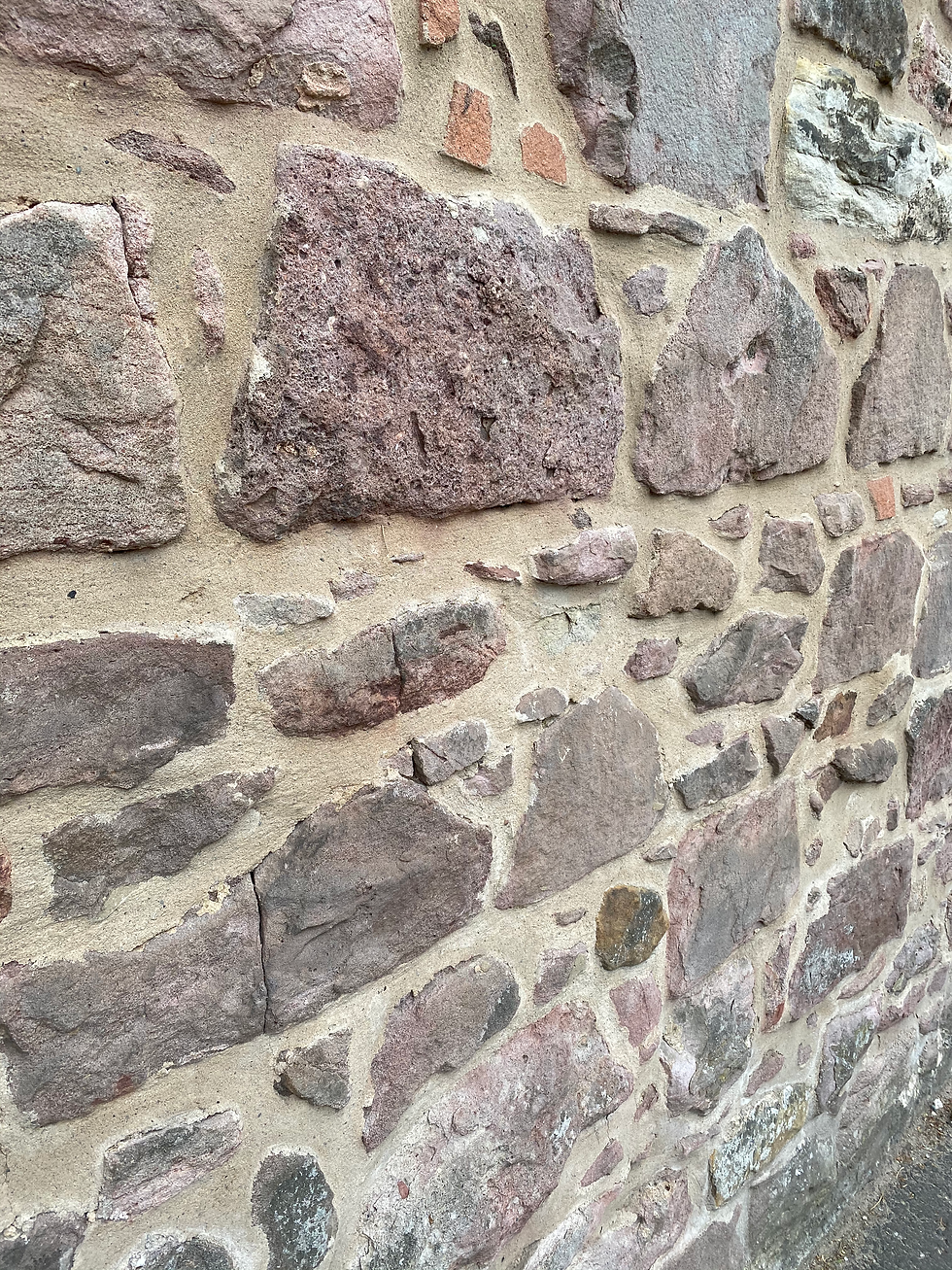
1. Crumbling or Missing Mortar Joints
Over time, mortar joints can crack, erode, or fall away due to constant exposure to rain, frost, and changing temperatures. When this happens, moisture can enter the wall and begin affecting the surrounding stonework.
Mortar is essential for holding the structure together and protecting it from moisture. Ignoring deteriorating joints can eventually weaken the entire wall.
Repointing replaces damaged mortar with fresh material, restoring strength and protecting the stonework from further damage.
2. Cracks in Stonework
Cracks in stonework can indicate movement, moisture damage, or stress caused by freeze-thaw cycles. While some may appear minor, they can worsen over time if left untreated.
Signs to look out for can include long vertical cracks, stepped cracks along mortar joints, and widening gaps between stones.
An experienced stonemason can assess the cause of the cracking and recommend the most appropriate repair or restoration method.
3. Discolouration, Damp, or Water Staining
Dark patches, algae growth, and staining are often signs that moisture is affecting the stonework. This is especially common in older sandstone properties across Scotland.
This is important as the moisture trapped within stone can gradually weaken the material and accelerate deterioration.
Professional stone cleaning, repairs, and repointing can address the source of the issue while restoring the appearance of the stonework.
4. Loose, Eroded, or Damaged Stone
Stone can become loose, chipped, or heavily weathered over time due to exposure and ageing. In more severe cases, sections may begin to shift or lose structural integrity.
This matters as damaged stone can eventually become unstable and pose both structural and safety risks.
Stone repair or replacement can restore stability while maintaining the appearance and integrity of the original structure.
5. Biological Growth and Surface Damage
Moss, algae, and lichen often develop on damp stone surfaces, particularly in shaded areas. While common, this growth can trap moisture against the stone.
This matters as persistent moisture retention can significantly reduce the lifespan of stonework.
Specialist stone cleaning methods safely remove biological growth without damaging the surface of the stone.
What Causes Stonework to Deteriorate?:
Weather Exposure - rain, frost, and freeze-thaw cycles are among the biggest causes of damage in Scotland.
Pollution - urban pollution can gradually stain and weaken stone surfaces, particularly sandstone.
Poor Previous Repairs - using incorrect materials, such as hard cement mortar on traditional stonework, can trap moisture and accelerate damage.
Lack of Maintenance - without regular inspections and maintenance, minor issues can develop into major repairs.
Conclusion
Stonework is built to last, but even the strongest masonry requires maintenance and occasional professional attention. By recognising the early warning signs of deterioration, property owners can prevent more serious damage and preserve the appearance, strength, and value of their property.
At Shipshape Masonry, we specialise in stone repairs, restoration, and conservation across Central Scotland, combining traditional craftsmanship with expert knowledge and precision workmanship.


Comments